

Photo by Content Pixie on Unsplash
Sometimes, appreciation begins in the smallest moments. A warm cup of lemon water in the morning, a familiar voice that makes you smile, or a quiet moment at home when you finally get to exhale. These little glimmers might seem ordinary, but they can become meaningful reminders of what makes life feel full.
During my yoga teacher training in 2014, I discovered a gratitude practice that has stayed with me through so many different seasons of life. Over the years, it has become one of my favorite ways to slow down, reflect, and reconnect with what matters most.
Through travel, personal growth, motherhood, and the beautiful complexities of everyday life, gratitude journaling has offered me a space to acknowledge the good without ignoring the difficult. And that's what I want to share with you.
Gratitude isn't about forcing positivity, overlooking your challenges, or convincing yourself that everything is wonderful. It's about making space to notice, appreciate, and honor the experiences that give your life meaning.
Whether you're new to journaling or looking to reconnect with an existing wellness ritual, a simple gratitude practice can be a beautiful place to begin.
What Is Gratitude Journaling?
Gratitude journaling is the practice of intentionally writing down the people, experiences, opportunities, and everyday moments you appreciate. It's a form of reflective journaling that encourages you to pause and recognize what feels meaningful in your life.
Your entries don't have to be elaborate. You might write about a conversation that lifted your spirits, something you accomplished, a moment of peace, or a person who made you feel supported. You can even write about something you appreciate within yourself.
Unlike a traditional diary, which may focus on documenting everything that happened during your day, gratitude journaling places intentional attention on what you value and appreciate. And there is no perfect formula.
You can write three things you're grateful for, reflect on one meaningful experience, or spend five minutes exploring a feeling of appreciation. Your practice can be as simple or detailed as you want it to be.
Most importantly, gratitude should never become another expectation you have to meet. You can appreciate something beautiful while still acknowledging that you're tired, disappointed, uncertain, or working through something difficult. Both experiences can exist at the same time.
7 Benefits of Gratitude Journaling for Everyday Well-Being
A regular gratitude journaling practice can offer opportunities to slow down, reflect, and develop a more intentional relationship with your everyday experiences.
Here are seven meaningful ways gratitude journaling may support your wellness journey.
1. Encourages a More Positive Perspective
When life gets busy, it's easy to focus primarily on what needs fixing, what hasn't happened yet, or what feels unfinished. Gratitude journaling invites you to make room for another perspective.
By intentionally noticing the experiences you appreciate, you may become more aware of positive moments that otherwise get lost in the noise of your day. This doesn't mean ignoring your challenges. It simply means allowing the good to have a place in your story, too.
2. Supports Emotional Awareness
Gratitude journaling gives you an opportunity to slow down and explore how you feel. As you write about meaningful experiences, you may begin to recognize the people, environments, activities, and small moments that contribute to your sense of connection and fulfillment.
You might discover that you feel most like yourself when you're creating, spending time outdoors, connecting with loved ones, or making room for quiet mornings. These observations can help you understand what you want to make more space for.
3. Encourages Mindfulness and Presence
Gratitude and mindfulness naturally complement one another. Mindfulness invites you to notice what is happening in the present moment. Gratitude gives you an opportunity to appreciate something within that experience.
Think about the first sip of your morning coffee, sunlight coming through your window, or the feeling of finally settling into your favorite space. These moments don't need to be extraordinary to be meaningful.
When you intentionally notice them, you create opportunities to experience everyday life with greater awareness.
4. Helps You Recognize What Truly Matters
Your gratitude entries can reveal patterns in what brings you joy, comfort, connection, and fulfillment. Maybe you repeatedly write about meaningful conversations, time spent with family, creative expression, movement, or having a little time to yourself.
Over time, these reflections may help clarify your personal values and priorities. You can use that awareness to make more intentional decisions about how you spend your time and energy.
5. May Support Emotional Well-Being
For some people, writing about meaningful experiences can also provide a helpful opportunity to process their thoughts and reflect on what is going well. However, gratitude isn't always a requirement to feel happy, and it shouldn't be used to dismiss difficult emotions.
You can be grateful for the support you have while still needing more support. You can appreciate your life while wanting certain things to change. Your feelings deserve room, too.
6. Strengthens Your Sense of Connection
Gratitude can help you recognize the people who contribute meaningfully to your life. Perhaps it's a friend who always checks in, a family member who makes you laugh, a mentor who believed in you, or someone who offered kindness when you needed it.
Writing about these relationships can remind you that connection is an important part of everyday well-being. You might even feel inspired to express your appreciation directly through a thoughtful message, a conversation, or a simple thank-you.
7. Creates Space for Self-Appreciation
How often do you acknowledge yourself? Not just the big accomplishments, but the everyday ways you show up.
The difficult conversation you finally had. The boundary you honored. The decision to rest. The courage to try something new. Gratitude journaling doesn't have to focus exclusively on external experiences. You can also use it to recognize your own effort, resilience, growth, and evolving needs.
Try asking yourself:
What is something about myself that I appreciate today?
You deserve to be included in your own gratitude practice.
How to Start a Daily Gratitude Journaling Practice
The best gratitude practice is one that feels accessible enough to return to, even when life gets busy.
Here are five simple steps to help you begin.
1. Choose a Time That Works for You
Decide when gratitude journaling might fit naturally into your day.
You could write:
In the morning before checking your phone.
During a quiet afternoon break.
After your evening skincare routine.
Before bed as a way to reflect on the day.
Experiment and notice what feels most comfortable.
2. Start With Three Things You're Grateful For
This is one of the easiest ways to begin.
Write down three things you appreciate. They can be significant experiences or wonderfully ordinary details.
For example:
I'm grateful for the peaceful start to my morning.
I'm grateful for the friend who made me laugh today.
I'm grateful that I gave myself permission to slow down.
If three things feel like too much, start with one.
The goal isn't to produce an impressive list. It's to create a moment of intentional reflection.
3. Be Specific About What You Appreciate
Instead of writing, "I'm grateful for my family," explore what made that appreciation meaningful today. Perhaps you shared a meal, laughed together, or received a thoughtful message.
Specific details can make your reflections feel more personal and memorable.
Try completing this sentence:
One moment I want to remember from today is…
4. Include Yourself in the Practice
Gratitude isn't only about the people and experiences around you. Recognize your own growth, effort, and small victories.
You might write:
I'm grateful that I trusted myself today.
I'm proud of the way I handled something difficult.
I'm appreciating my willingness to begin again.
I'm grateful that I made time for something I enjoy.
You are part of the life you're appreciating. Let your journal reflect that.
5. Keep It Flexible and Pressure-Free
Some days, you'll have plenty to write about. Other days, you might have one sentence. Both count.
You can take breaks, change your prompts, or return to your practice whenever you feel ready. A meaningful wellness ritual should support your life.
How I Practice Gratitude Daily
I've maintained a gratitude journaling practice for more than 11 years, and it has become one of the most meaningful rituals in my wellness journey.
I first discovered it during my yoga teacher training in 2014. Since then, it has accompanied me through travel, personal growth, motherhood, and the many transitions that come with building a life.
What I love most is that the practice doesn't require a particular mood or a perfect day. Sometimes, my gratitude entry is about a beautiful experience. Other times, it's about something small that helped me feel supported during a challenging season.
My routine has changed over the years, too. Some days I spend 30 minutes writing and reflecting. Other days, I have only a few mindful minutes.
I've learned that the value of this ritual isn't measured by how much I write. It's in the intention I bring to the moment.
Create Your Sacred Space With the Cápsula Wellness Mat
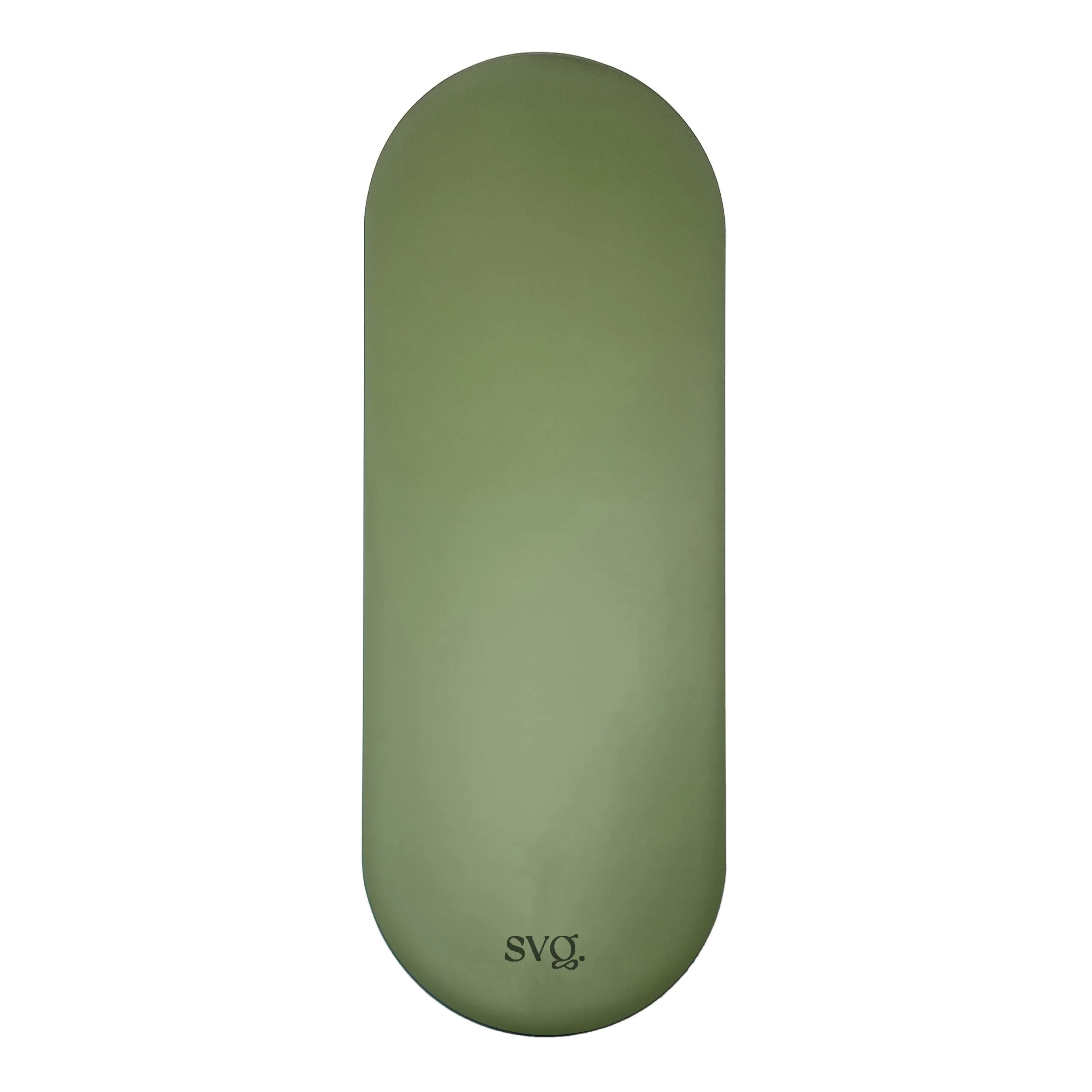
A Wellness Mat Designed for Everyday Rituals
★★★★★ [Best Seller]
Description:
Invite balance and renewal into your practice. The Oliva Verde Cápsula Mat is a calming olive green shade that reflects nature, harmony, and fresh energy. It grounds you in mindfulness while inspiring growth. Designed for yoga, recovery, strength training, and meditation, this premium non-slip mat delivers comfort, stability, and eco-inspired elegance to every practice.
Specs That Matter
Dimensions: 185 cm x 68 cm
Thickness: 4 mm
Weight: 7 lbs
One of my favorite ways to make gratitude journaling feel like a meaningful ritual is to create a dedicated space for it.
The Cápsula Wellness Mat can become a beautiful foundation for your personal wellness space. Imagine unrolling your mat in a peaceful corner, gathering your favorite journal and pen, and giving yourself a few moments without distractions.
Try this simple gratitude ritual:
Prepare your space. Unroll your Cápsula Wellness Mat and bring your journal, favorite pen, and a comforting beverage.
Take a moment to arrive. Sit comfortably and allow yourself a few quiet moments before writing.
Notice what's present. Think about one thing, person, experience, or quality you appreciate today.
Write freely. Explore why it matters to you. Don't worry about making your words sound beautiful.
Close with intention. Finish this sentence: "One thing I want to carry with me from today is…"
Your mat can be part of this ritual, or you can create your sacred space with whatever you already have. The important thing is giving yourself permission to pause and reconnect.
Make Gratitude Part of Your Existing Wellness Routine
If adding another daily practice feels overwhelming, try connecting gratitude journaling to something you already enjoy.
You could write after your morning yoga practice, alongside your evening tea, or during a few quiet minutes before bed. You might also pair it with another mindful ritual, such as meditation, breathwork, or a short walk.
The idea is to make gratitude feel like a natural extension of the care you're already giving yourself.
How to Maintain a Gratitude Practice Without the Pressure
Building a sustainable gratitude journaling practice isn't about never missing a day. It's about finding a way to return that feels supportive rather than demanding.
Here are a few gentle reminders:
Keep your journal somewhere visible. A notebook on your nightstand or desk can serve as a quiet invitation.
Make it easy to begin. Start with one sentence or a single prompt.
Let your entries change. Your gratitude practice can evolve as your needs and experiences change.
Be honest about difficult days. You can acknowledge something you appreciate without pretending everything is okay.
Celebrate your return. If you haven't written in weeks or months, you haven't failed. You can begin again whenever you're ready.
Remember, consistency doesn't have to look like perfection. Your practice is allowed to have seasons, just like you.
Let Gratitude Bring You Back to What Matters
After more than a decade of practicing gratitude, one thing I've come to appreciate is how much meaning can live in the smallest moments. Gratitude journaling has given me a place to reflect, recognize what matters, and reconnect with myself through different seasons of life.
This Article Has Been Updated.
*Gentle Reminder
The content shared in this article is intended for educational and informational purposes only. It is designed to inspire mindful living and support your personal wellness journey, but it is not intended to replace medical advice, diagnosis, treatment, or personalized guidance from a licensed healthcare professional.
At SVG Living, LLC ("svg."), we believe in honoring the individuality of every woman's wellness journey. The experiences, perspectives, and practices shared here reflect the author's views and are not intended as medical advice. Any products, services, or wellness practices mentioned are shared for informational purposes and should be considered in the context of your individual needs.
Always listen to your body, honor your personal boundaries, and consult a qualified healthcare professional with any medical questions or concerns. You deserve support that is appropriate for you and your unique circumstances.
Thank you for being part of the svg. community. 🤍